
Our Three Step Process
September 27, 2026
Who Gets to Tell Africa’s Story? Inside the PICHA × CoLab Johannesburg Roundtable
Our Three Step Process
September 27, 2026
Who Gets to Tell Africa’s Story? Inside the PICHA × CoLab Johannesburg Roundtable
The future of African photography starts with us.
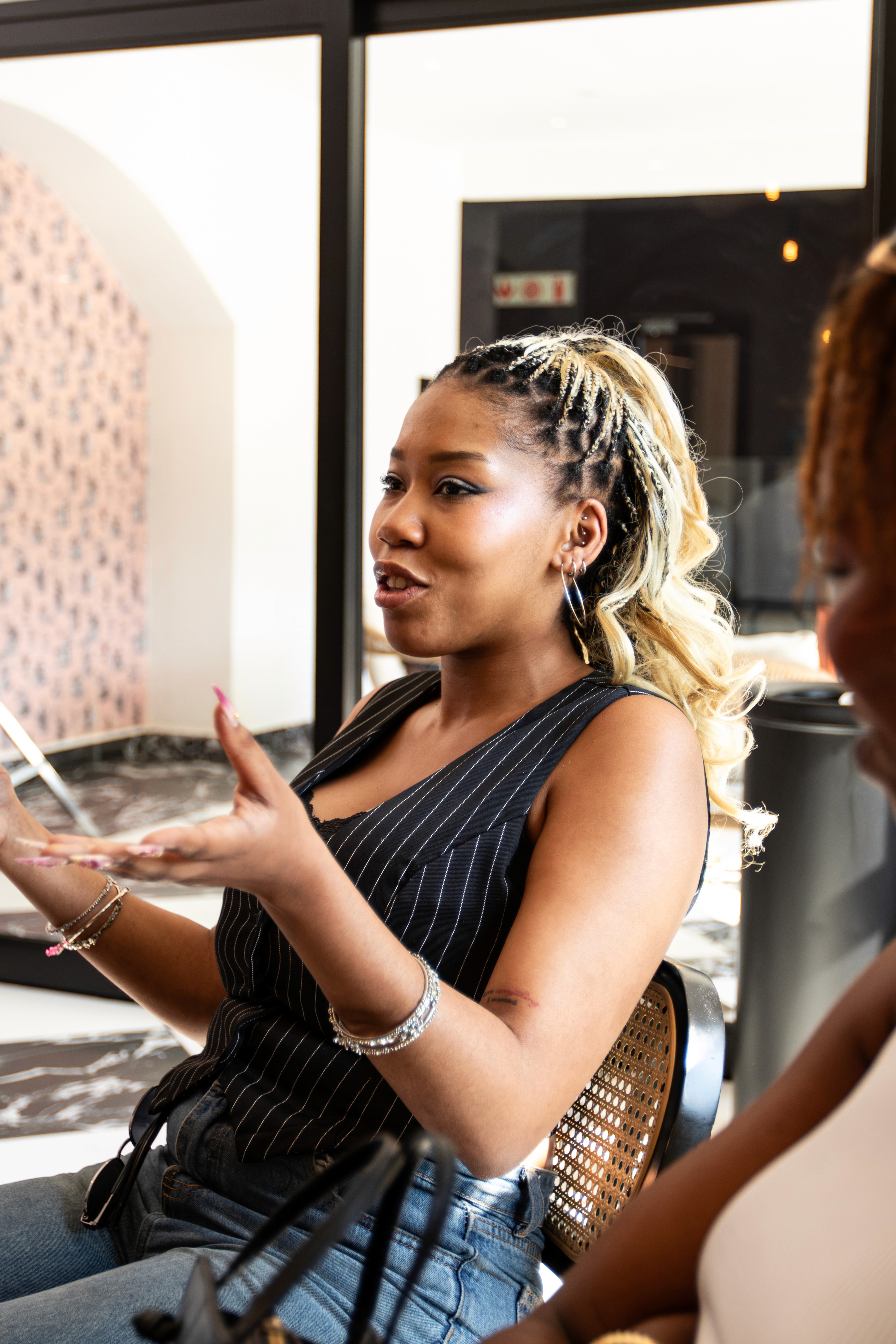
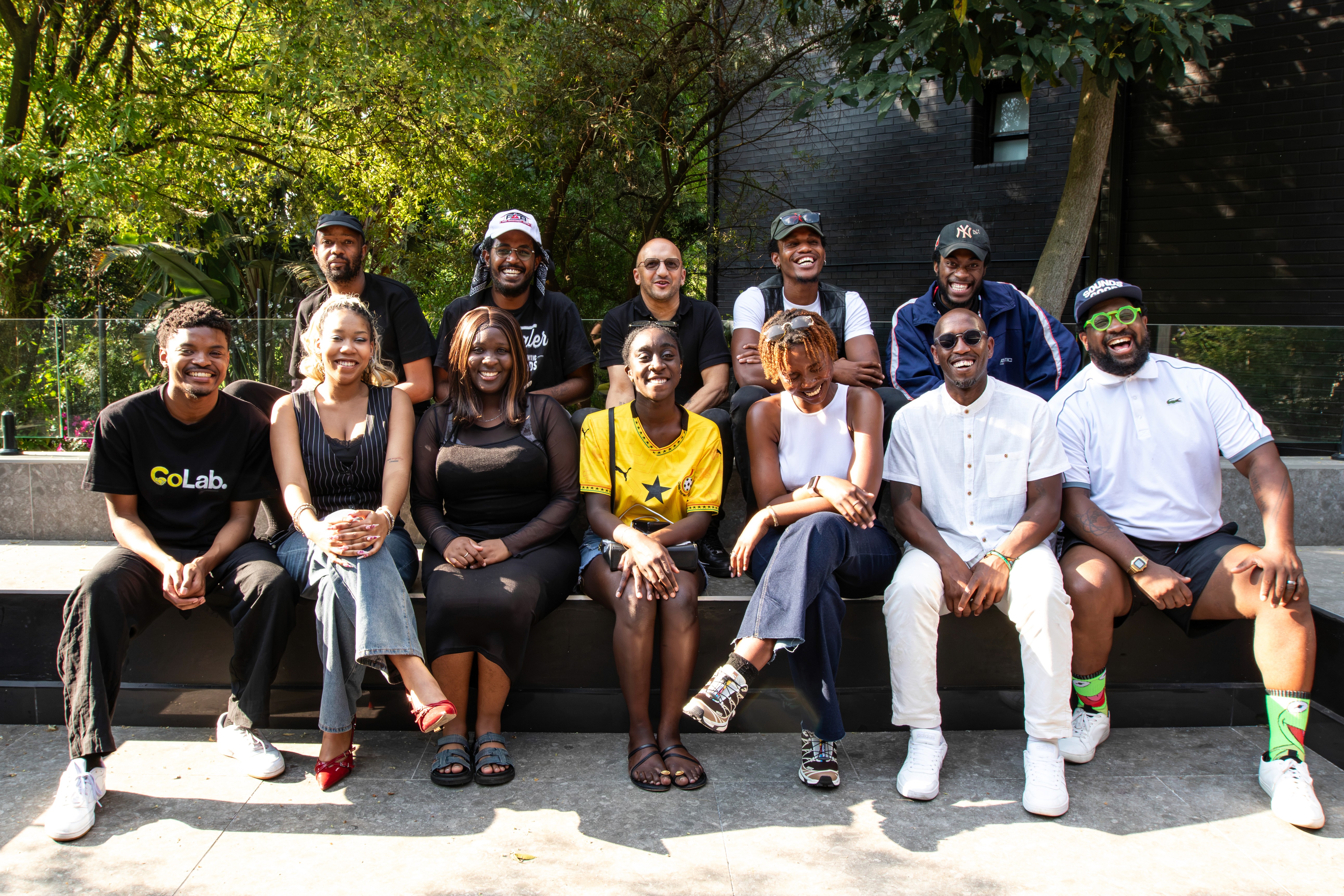
On 26 September, photographers, visual storytellers and creative entrepreneurs gathered in Johannesburg for the PICHA × CoLab Johannesburg Roundtable, an intimate community conversation exploring the future of African photography.
The starting point was a simple but important question:
Who gets to tell Africa’s story?
But the conversation quickly became much bigger than photography.
It became a conversation about representation, ownership, creative careers, technology, community and what it takes to build a stronger creative ecosystem in Africa.
Where the Conversation Started
Photography has always been about more than creating beautiful images.
Images influence how we understand people, places and cultures. They shape advertising, journalism, fashion, film, tourism, publishing and social media. They can preserve history, create cultural memory and influence how the world sees Africa.
Yet behind every image is a photographer trying to build a career, find opportunities, reach audiences and create sustainable income.
That tension formed the foundation of the Johannesburg Roundtable.
Rather than hosting a traditional panel or presentation, PICHA and CoLab wanted to create a space where photographers could speak openly about their experiences and collectively think about where the industry needs to go next.
From “Who Tells Africa’s Story?” to “What Can We Build?”
The conversation began by looking at the reality of photography today.
What does it actually take to build a sustainable career?
Where are the opportunities?
What makes the industry difficult to navigate?
And what infrastructure is still missing?
These questions opened up a broader discussion around the business of being a creative.
Photography is often discussed primarily as a craft. But for many photographers, the work extends far beyond taking photographs.
There is client management, marketing, pricing, contracts, equipment, networking, administration, licensing, pitching and finding the next opportunity.
The photographer is increasingly expected to be a creator, entrepreneur, storyteller, business owner and brand at the same time.
That raises another important question:
Are we creating sustainable creative businesses, or are we simply creating more sophisticated forms of freelancing?
Who Gets to Tell Africa’s Story?
The central question of the event then moved into representation.
When the world sees an image of Africa, who is behind the camera?
Who commissioned the image?
Who decided what story was worth telling?
And who ultimately benefits from the image?
The photographers in the room reflected on the stories that are often represented and, perhaps more importantly, the stories that remain unseen.
Africa is not one story.
It is cities and rural communities. Contemporary culture and heritage. Fashion, music, business, sport, technology, everyday life and countless personal experiences.
The question therefore isn't simply whether Africa is being photographed.
It is who is shaping the narrative through those photographs.
For African photographers, this creates an opportunity to move beyond simply being subjects or contributors within someone else's narrative and become owners and authors of the visual stories being created.
Who Owns the Image?
From representation, the conversation naturally moved towards ownership.
A photograph can involve a photographer, a client, a subject, a publication, a platform and an audience.
But who owns the value?
The group explored questions around copyright, licensing, commercial usage and the difference between selling an image and licensing its use.
This is an important distinction for photographers trying to build sustainable businesses.
A single commission doesn't necessarily have to represent the end of a photograph's commercial life.
An image can potentially create value through licensing, publishing, exhibitions, prints, editorial use, brand partnerships, archives and other forms of distribution.
This shifts the conversation from:
“How much should I charge for a shoot?”
to:
“How much value can I create and retain from the work I produce?”
That is a fundamentally different way of thinking about the photography business.
Photography in the Age of AI
No conversation about the future of photography would be complete without discussing artificial intelligence.
The rapid development of generative AI has fundamentally changed how images can be created.
Anyone can now generate an image without owning a camera, hiring a photographer or physically visiting a location.
So the question becomes:
What happens to the value of photography when images become almost infinite?
The conversation wasn't simply about whether AI is good or bad.
Instead, participants considered what becomes more valuable when image creation becomes easier.
Is it authenticity?
Perspective?
Trust?
Cultural understanding?
Access?
Human experience?
The relationships behind the image?
And what happens to copyright when creative work can be used as part of the systems that generate new images?
These questions are still being worked through, but one thing became clear: the future photographer may need to think about technology not simply as a threat, but as another force changing the economics and meaning of their work.
The Importance of Community
Perhaps the strongest theme running through the day was community.
There is an enormous amount of knowledge within Johannesburg's creative community.
Photographers know photographers.
Creators know opportunities.
People have experience navigating clients, contracts, publishing, exhibitions, brands and international markets.
But knowledge and opportunity can remain fragmented when there aren't enough spaces for people to connect.
This is one of the reasons the partnership between PICHA and CoLab made sense.
PICHA has been working to create greater visibility and opportunity around African visual content, while CoLab is focused on creating infrastructure for creatives to connect, collaborate and build projects together.
The roundtable became a space where those ideas could meet.
Moving From Conversation to Action
The final part of the conversation shifted from identifying problems to imagining possibilities.If we could redesign the photography ecosystem from scratch, what would we build?
What opportunities are missing?
What tools do photographers need?
How can we connect African photographers to more local and international markets?
How do we make knowledge more accessible?
How do we create stronger communities?
And perhaps most importantly:
What can we build together that none of us could build alone?
That question is where the conversation ultimately landed.
Because the future of African photography isn't going to be created by one photographer, one platform, one organisation or one institution.
It will require an ecosystem.
Why CoLab Is Having These Conversations
For CoLab, this event represents a broader part of the platform's vision.
CoLab isn't only about project management software.
The larger idea is to create infrastructure around the way African creatives work, connect and collaborate.
That means building tools, but it also means creating opportunities for people to meet, exchange knowledge, find collaborators and have conversations about the industries they are part of.
The PICHA × CoLab Roundtable was an example of what that ecosystem can look like in practice.
A room full of people with different experiences, perspectives and ambitions — coming together around a shared question.
The Beginning of a Bigger Conversation
The Johannesburg Roundtable wasn't designed to provide definitive answers.
Instead, it was designed to create better questions.
Who gets to tell Africa's story?
Who owns the image?
How do photographers build sustainable careers?
What happens when AI changes how images are created?
And what kind of creative ecosystem do we want to build?
Those questions don't end when the event does.
If anything, they are where the real work begins.
The future of African photography will depend on how creators, platforms, organisations, brands and communities respond to these changes.
But one thing is certain:
The future of African photography starts with us.
PICHA × CoLab
Johannesburg Roundtable
Who gets to tell Africa's story?
We do.


The future of African photography starts with us.
On 26 September, photographers, visual storytellers and creative entrepreneurs gathered in Johannesburg for the PICHA × CoLab Johannesburg Roundtable, an intimate community conversation exploring the future of African photography.
The starting point was a simple but important question:
Who gets to tell Africa’s story?
But the conversation quickly became much bigger than photography.
It became a conversation about representation, ownership, creative careers, technology, community and what it takes to build a stronger creative ecosystem in Africa.
Where the Conversation Started
Photography has always been about more than creating beautiful images.
Images influence how we understand people, places and cultures. They shape advertising, journalism, fashion, film, tourism, publishing and social media. They can preserve history, create cultural memory and influence how the world sees Africa.
Yet behind every image is a photographer trying to build a career, find opportunities, reach audiences and create sustainable income.
That tension formed the foundation of the Johannesburg Roundtable.
Rather than hosting a traditional panel or presentation, PICHA and CoLab wanted to create a space where photographers could speak openly about their experiences and collectively think about where the industry needs to go next.
From “Who Tells Africa’s Story?” to “What Can We Build?”
The conversation began by looking at the reality of photography today.
What does it actually take to build a sustainable career?
Where are the opportunities?
What makes the industry difficult to navigate?
And what infrastructure is still missing?
These questions opened up a broader discussion around the business of being a creative.
Photography is often discussed primarily as a craft. But for many photographers, the work extends far beyond taking photographs.
There is client management, marketing, pricing, contracts, equipment, networking, administration, licensing, pitching and finding the next opportunity.
The photographer is increasingly expected to be a creator, entrepreneur, storyteller, business owner and brand at the same time.
That raises another important question:
Are we creating sustainable creative businesses, or are we simply creating more sophisticated forms of freelancing?
Who Gets to Tell Africa’s Story?
The central question of the event then moved into representation.
When the world sees an image of Africa, who is behind the camera?
Who commissioned the image?
Who decided what story was worth telling?
And who ultimately benefits from the image?
The photographers in the room reflected on the stories that are often represented and, perhaps more importantly, the stories that remain unseen.
Africa is not one story.
It is cities and rural communities. Contemporary culture and heritage. Fashion, music, business, sport, technology, everyday life and countless personal experiences.
The question therefore isn't simply whether Africa is being photographed.
It is who is shaping the narrative through those photographs.
For African photographers, this creates an opportunity to move beyond simply being subjects or contributors within someone else's narrative and become owners and authors of the visual stories being created.
Who Owns the Image?
From representation, the conversation naturally moved towards ownership.
A photograph can involve a photographer, a client, a subject, a publication, a platform and an audience.
But who owns the value?
The group explored questions around copyright, licensing, commercial usage and the difference between selling an image and licensing its use.
This is an important distinction for photographers trying to build sustainable businesses.
A single commission doesn't necessarily have to represent the end of a photograph's commercial life.
An image can potentially create value through licensing, publishing, exhibitions, prints, editorial use, brand partnerships, archives and other forms of distribution.
This shifts the conversation from:
“How much should I charge for a shoot?”
to:
“How much value can I create and retain from the work I produce?”
That is a fundamentally different way of thinking about the photography business.
Photography in the Age of AI
No conversation about the future of photography would be complete without discussing artificial intelligence.
The rapid development of generative AI has fundamentally changed how images can be created.
Anyone can now generate an image without owning a camera, hiring a photographer or physically visiting a location.
So the question becomes:
What happens to the value of photography when images become almost infinite?
The conversation wasn't simply about whether AI is good or bad.
Instead, participants considered what becomes more valuable when image creation becomes easier.
Is it authenticity?
Perspective?
Trust?
Cultural understanding?
Access?
Human experience?
The relationships behind the image?
And what happens to copyright when creative work can be used as part of the systems that generate new images?
These questions are still being worked through, but one thing became clear: the future photographer may need to think about technology not simply as a threat, but as another force changing the economics and meaning of their work.
The Importance of Community
Perhaps the strongest theme running through the day was community.
There is an enormous amount of knowledge within Johannesburg's creative community.
Photographers know photographers.
Creators know opportunities.
People have experience navigating clients, contracts, publishing, exhibitions, brands and international markets.
But knowledge and opportunity can remain fragmented when there aren't enough spaces for people to connect.
This is one of the reasons the partnership between PICHA and CoLab made sense.
PICHA has been working to create greater visibility and opportunity around African visual content, while CoLab is focused on creating infrastructure for creatives to connect, collaborate and build projects together.
The roundtable became a space where those ideas could meet.
Moving From Conversation to Action
The final part of the conversation shifted from identifying problems to imagining possibilities.If we could redesign the photography ecosystem from scratch, what would we build?
What opportunities are missing?
What tools do photographers need?
How can we connect African photographers to more local and international markets?
How do we make knowledge more accessible?
How do we create stronger communities?
And perhaps most importantly:
What can we build together that none of us could build alone?
That question is where the conversation ultimately landed.
Because the future of African photography isn't going to be created by one photographer, one platform, one organisation or one institution.
It will require an ecosystem.
Why CoLab Is Having These Conversations
For CoLab, this event represents a broader part of the platform's vision.
CoLab isn't only about project management software.
The larger idea is to create infrastructure around the way African creatives work, connect and collaborate.
That means building tools, but it also means creating opportunities for people to meet, exchange knowledge, find collaborators and have conversations about the industries they are part of.
The PICHA × CoLab Roundtable was an example of what that ecosystem can look like in practice.
A room full of people with different experiences, perspectives and ambitions — coming together around a shared question.
The Beginning of a Bigger Conversation
The Johannesburg Roundtable wasn't designed to provide definitive answers.
Instead, it was designed to create better questions.
Who gets to tell Africa's story?
Who owns the image?
How do photographers build sustainable careers?
What happens when AI changes how images are created?
And what kind of creative ecosystem do we want to build?
Those questions don't end when the event does.
If anything, they are where the real work begins.
The future of African photography will depend on how creators, platforms, organisations, brands and communities respond to these changes.
But one thing is certain:
The future of African photography starts with us.
PICHA × CoLab
Johannesburg Roundtable
Who gets to tell Africa's story?
We do.
Other Blogs
Other Blogs
Check our other project Blogs with useful insight and information for your businesses


Other Blogs